North Texas summers are tough on more than your AC. Months of heat and little rain dry out the clay soil under your home, and when fall moisture returns, that soil swells again. All that movement puts stress on the water lines buried in your foundation, and it’s often when slab leak signs start to show up.
A leak under your slab can run for weeks before you see water, and the longer it runs, the more damage it can do to flooring, walls, and the foundation itself. Here’s what to look for, a simple test you can do tonight, and when to call Willard for leak detection.
Why DFW Homes Are Prone to Slab Leaks
Most Dallas-Fort Worth homes sit on concrete slab foundations, with water lines running underneath or through the concrete. Much of the region also sits on expansive clay soil, which shrinks when it dries out and swells when it gets wet.
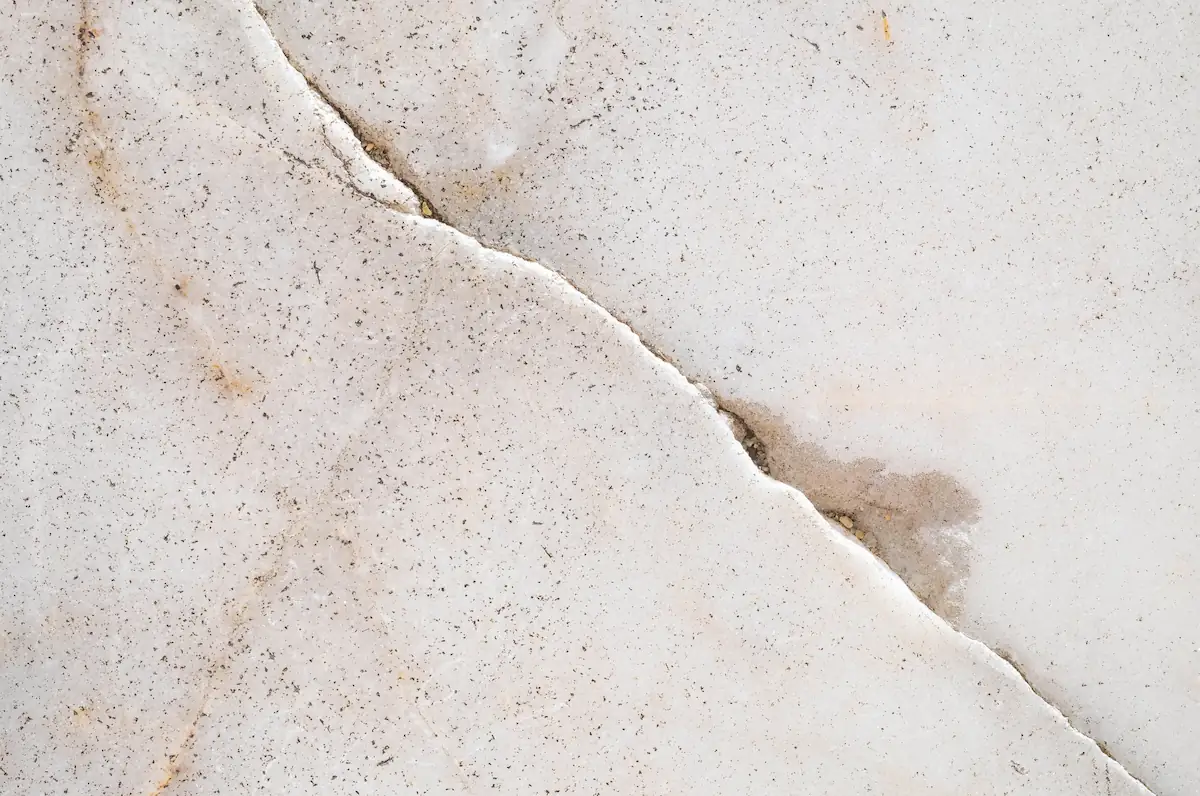
After a long, dry summer, that cycle can shift your foundation slightly. Pipes that were rubbing against concrete or gravel get pushed and pulled. Add older copper lines, years of corrosion, and high water pressure, and small pinhole leaks can form where you can’t see them.
Common Slab Leak Signs
Slab leaks rarely announce themselves with a puddle. Watch for these quieter clues:
- A water bill that jumps without a change in your habits
- Warm spots on the floor, often a sign of a leak in a hot water line
- The sound of running water when every faucet and appliance is off
- Damp, musty, or mildew-smelling carpet with no obvious source
- Cracked or lifting tile, or warped wood flooring
- New cracks in walls, baseboards, or the foundation
- Lower water pressure at several fixtures
- A water heater that seems to run constantly, since a hot water leak keeps it refilling
One sign alone doesn’t confirm a slab leak, but is worth investigating. Two or three together are worth a call.
Try the Water Meter Test Tonight
Your water meter can tell you a lot in a few minutes:
- Turn off all water inside and outside the house, including irrigation, the ice maker, and the washing machine.
- Find your water meter, usually in a covered box near the street.
- Watch the leak indicator. Most meters have a small triangle or dial that spins when any water flows.
- Write down the reading and wait one to two hours without using water, then check again.
If the indicator spins or the reading changes, water is going somewhere. Rule out the easy culprits first. A running toilet is a common one, and you can check it by adding a few drops of food coloring to the tank. If color shows up in the bowl within 15 minutes without flushing, the flapper is leaking.
If the meter still moves, try one more step. Close your home’s main shutoff valve. If the meter stops, the leak is inside the house, which includes the lines under your slab. If it keeps moving, the leak may be in the water line between the meter and your home.
What Happens If You Wait?
A small slab leak can waste a lot of water over a few months. It can also soak the soil under part of your foundation, which can contribute to uneven settling. Inside, moisture can ruin flooring and encourage mold growth. Catching a leak early usually means a simpler repair and less damage to fix afterward.
How Plumbers Find and Fix Slab Leaks
Professional leak detection pinpoints the leak without tearing up your floors to look for it. Plumbers use tools like acoustic listening equipment, pressure testing, and thermal imaging to narrow down the location.
Once the leak is found, repair options usually include:
- Direct access repair. The plumber opens the slab at the leak, fixes the pipe, and patches the concrete.
- Rerouting the line. The damaged line is abandoned and a new one runs through the walls or attic instead.
- Repiping. If your home has several leaks or aging pipes throughout, whole-home repiping can be the longer-lasting fix.
The right choice depends on where the leak is, the age of your pipes, and how many leaks you’ve already had. Before work begins, check your homeowners insurance policy. Coverage varies, and some policies cover access and water damage even when they don’t cover the pipe itself.
How to Lower Your Risk
You can’t control the weather, but you can reduce the strain on your plumbing:
- Keep soil moisture around your foundation consistent during dry stretches, following your city’s watering rules.
- Check your water pressure. Pressure that runs too high stresses every pipe in the house. A plumber can test it and adjust or replace a pressure-reducing valve if needed.
- Get an annual plumbing inspection. Willard’s Shield Membership includes a free plumbing inspection each year.
Slab Leak Repair in Dallas and Fort Worth
If you’ve spotted slab leak signs or your meter test turned up a problem, don’t wait for the next water bill. Willard’s plumbers provide leak detection and slab leak repair in Dallas, Fort Worth, and communities across the Metroplex, with emergency service available 24/7.
Every repair comes with our two-year warranty on parts and labor.
- Dallas: Call (469) 840-4743 or visit our Dallas leak repair page.
- Fort Worth: Call (817) 290-3525 or visit our Fort Worth leak repair page.
You can also schedule service online. For more ways to protect your plumbing this season, read our guide on how to prepare for a winter storm.
Plumbing License: RMP43980